1. Spatial Design and Layout Optimization:
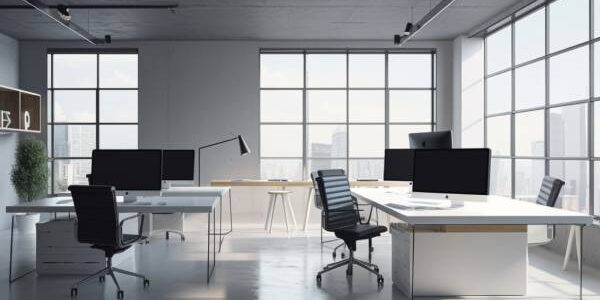
- Strategic Zoning: Effective office layouts should balance open and designated spaces. Open areas foster collaboration and team engagement, while enclosed workspaces or quiet zones are essential for concentration and focused tasks. A well-thought-out spatial layout promotes optimal workflow by reducing unnecessary noise and distractions.
- Pathway and Circulation: The design should encourage natural movement throughout the office. Thoughtful planning of circulation routes minimizes congestion and enhances accessibility, allowing employees to navigate their workspace intuitively and efficiently.
2. Illumination and Lighting Control:
- Natural Light Maximization: Research consistently highlights natural light’s psychological and physiological benefits. Offices designed with ample windows and skylights significantly enhance employee mood and alertness. Incorporating daylight into workspaces can decrease fatigue and improve overall productivity.
- Customized Lighting Solutions: Providing adjustable lighting options allows employees to tailor their environments to their preferences. This flexibility supports varied tasks and can reduce the cognitive load associated with poorly lit or overly harsh work conditions, promoting an atmosphere conducive to focus and creativity.
3. Biophilic Elements for Enhanced Well-being:
- Integration of Nature: Biophilic design principles advocate for the inclusion of natural elements within the workspace. Strategically placed plants, green walls, and water features not only beautify the environment but also serve to reduce stress and anxiety. Connection to nature is recognized as a vital aspect of enhancing creativity and cognitive function.
- Color and Material Selection: he thoughtful use of earthy tones and textures can create a calming atmosphere. Materials that resemble natural elements can induce a sense of tranquility while stimulating mental well-being, enhancing both individual and collective creativity.
4. Flexibility and Adaptability in Workspaces:
- Dynamic Work Environments: Modern work demands flexibility, and office designs should reflect this need by offering multipurpose spaces. Areas that can transform from collaborative workspaces to quiet zones empower employees to choose environments that best suit their work tasks, whether it be brainstorming sessions or focused individual work.
- Technology-Integrated Design: Integrating technology within these flexible spaces facilitates communication and collaboration. Configurable meeting rooms and shared tech tools can accommodate diverse working styles and foster innovation.
5. Encouraging Personalization and Engagement:
- Personal Workspace Customization: Allowing employees to personalise their workspaces contributes to a sense of ownership and belonging. This autonomy can enhance job satisfaction and foster a workplace culture of creativity and engagement.
- Community-Building Spaces: Designing communal areas—such as lounges, coffee stations, and collaborative hubs—encourages social interaction and strengthens team cohesion. Facilitating informal connections among teams fosters a sense of community and stimulates collaboration, leading to increased innovation.