An Exploration of the Benefits and Design Principles
Open workspaces have become increasingly popular in modern office design, transforming traditional cubicle environments into vibrant, collaborative spaces. The concept of open workspaces centres on creating areas that promote communication, creativity, and productivity among employees. This shift in design philosophy is not merely aesthetic; it is grounded in the belief that the physical environment has a profound impact on how employees perform and interact.
Enhanced Collaboration and Communication
One of the foremost advantages of open workspaces is the facilitation of collaboration and communication. Removing physical barriers allows for spontaneous interactions and discussions, which can lead to increased innovation and problem-solving. When employees can easily approach one another, share ideas, and brainstorm, it fosters a culture of teamwork and collective effort. This proximity can also speed up decision-making processes and reduce the need for formal meetings, thus enhancing overall efficiency.
Flexibility and Adaptability
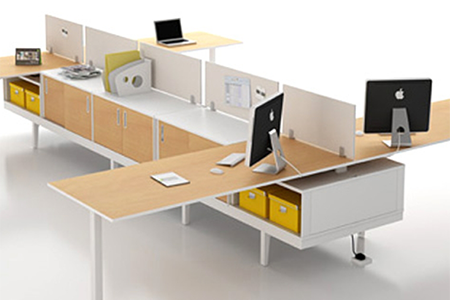
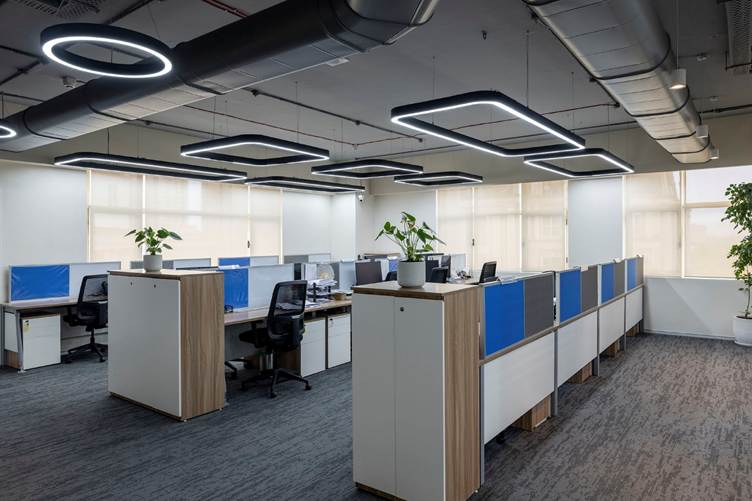
Open workspaces are designed to be versatile and adaptable to various needs. Movable furniture, adjustable workstations, and multipurpose areas allow employees to customize their working environment according to the tasks at hand. This flexibility can accommodate different work styles, whether one requires a quiet focused tasks or a collaborative area for team projects. The ability to reconfigure spaces quickly and easily also means that the office can evolve and scale with the organization’s changing needs.
Improved Employee Morale and Well-being
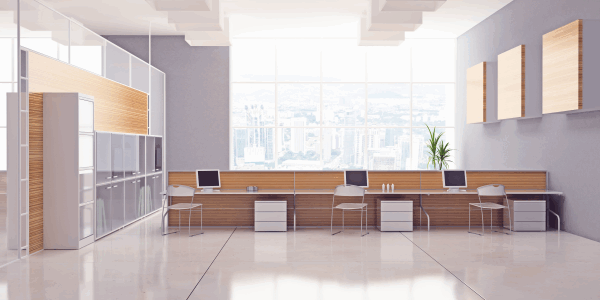
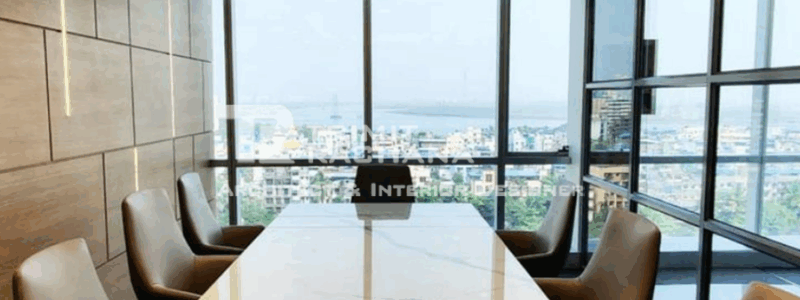
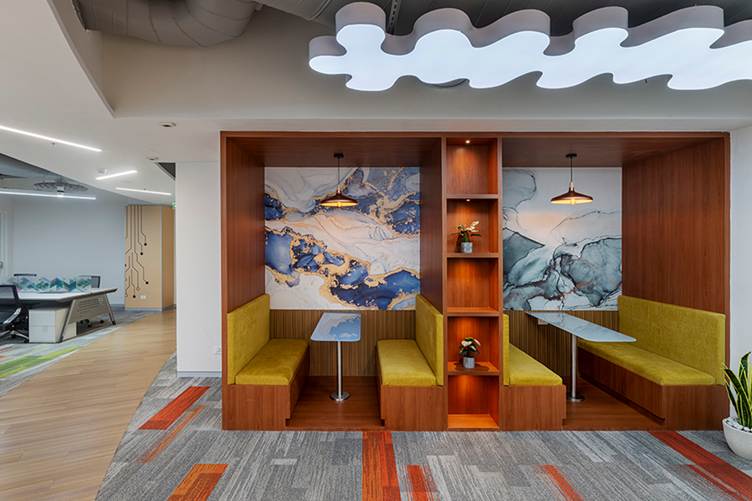
The design of open workspaces often includes elements that contribute to employee well-being. Natural lighting, indoor plants, and comfortable seating can create a more pleasant and inviting atmosphere. Additionally, open spaces can reduce feelings of isolation and promote a sense of community among employees. When individuals feel more connected and supported in their workplace, it can lead to higher job satisfaction and lower stress levels, which in turn drives productivity.
Optimized Use of Space
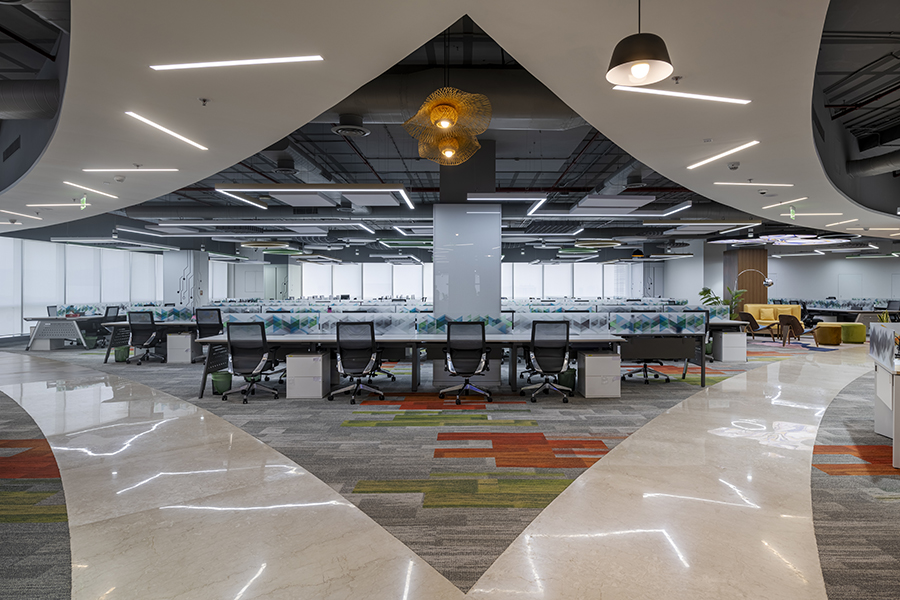
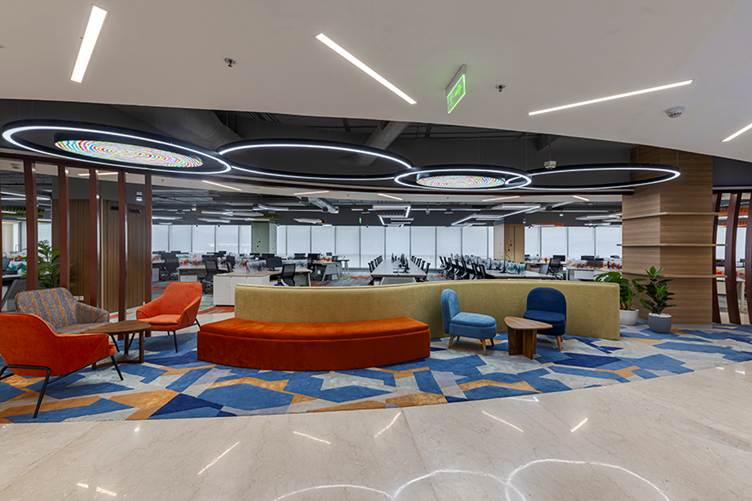
Traditional office layouts with individual cubicles can lead to inefficient use of space. Open workspaces, on the other hand, maximize the available area by utilizing communal zones that can serve multiple purposes. This optimization not only allows for a more dynamic and engaging environment but can also result in cost savings on real estate and office furnishings.
Technology Integration
Modern open workspaces are often equipped with the latest technology to support seamless communication and collaboration. Integrated systems for video conferencing, wireless connectivity, and digital whiteboards enable employees to work efficiently and stay connected, regardless of their physical location. Technology can bridge gaps between remote and on-site workers, ensuring that everyone can participate fully in the company’s activities.
Encouraging Creativity and Innovation
The open layout of workspaces can inspire creativity by providing employees with varied environments that stimulate different ways of thinking. Breakout areas, lounge spaces, and informal meeting zones can all serve as incubators for ideas and innovation. When employees are allowed to move around and choose their work setting, it can lead to fresh perspectives and creative solutions to challenges.
Principles of Effective Interior Design in Open Workspaces
While open workspaces offer numerous benefits, their success depends significantly on thoughtful interior design. Here are some key principles to consider:
- Ergonomics: Ensuring that furniture and workstations are ergonomically designed to support good posture and reduce physical strain.
- Acoustics: Managing sound levels with acoustic panels, carpeting, and strategic placement of workstations to minimize distractions.
- Lighting: Incorporating natural light wherever possible, supplemented with adjustable artificial lighting to create a comfortable work environment.
- Color and Materials: Using colors and materials that evoke positive emotions and enhance the overall aesthetic appeal of the workspace.
- Storage Solutions: Providing ample storage to keep the workspace organized and clutter-free.
- Technology: Integrating technology seamlessly into the workspace to support connectivity and collaboration.
- Biophilic Design: Including elements of nature, such as plants and natural materials, to improve air quality and create a calming atmosphere.
Challenges and Considerations
Despite the many advantages, open workspaces are not without their challenges. Potential issues such as noise levels, lack of privacy, and the need for personal space must be carefully managed. We as Commercial interior Designers must strike a balance between openness and the ability to retreat to quiet areas when needed. Additionally, companies must foster a culture that respects individual work preferences and provides options for different types of tasks.